
AR/VR in Design: Spatial & Emotional Visualization
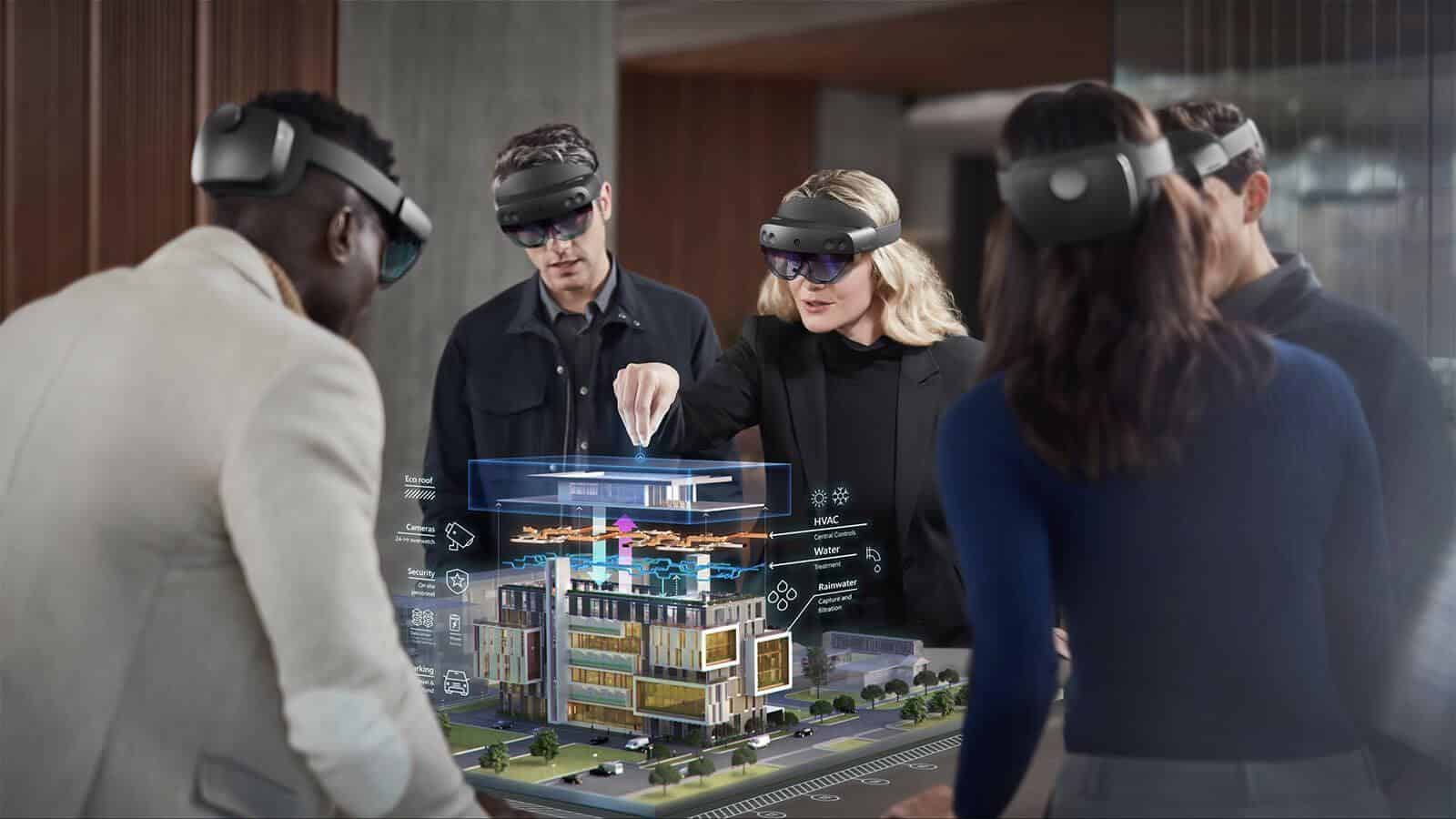
The benefits of immersive technologies for design and asset visualization are numerous, including reduced costs (no need to build expensive physical prototypes, less rework, etc.), improved sustainability, and faster (remote) design reviews. In this panel from EWTS 2020, end users from Gensler, AECOM, Toyota and BASF share how they’re using augmented and virtual reality to communicate ideas visually from the initial stages of design through to assembly, construction and more. One big takeaway: The spatial and emotional are linked when it comes to immersive experiences; understanding things on a spatial level allows for greater emotional understanding, too, to a degree not possible with traditional visualization solutions.
Image source: ZDNet


