Artificial Intelligence is Losing the Public
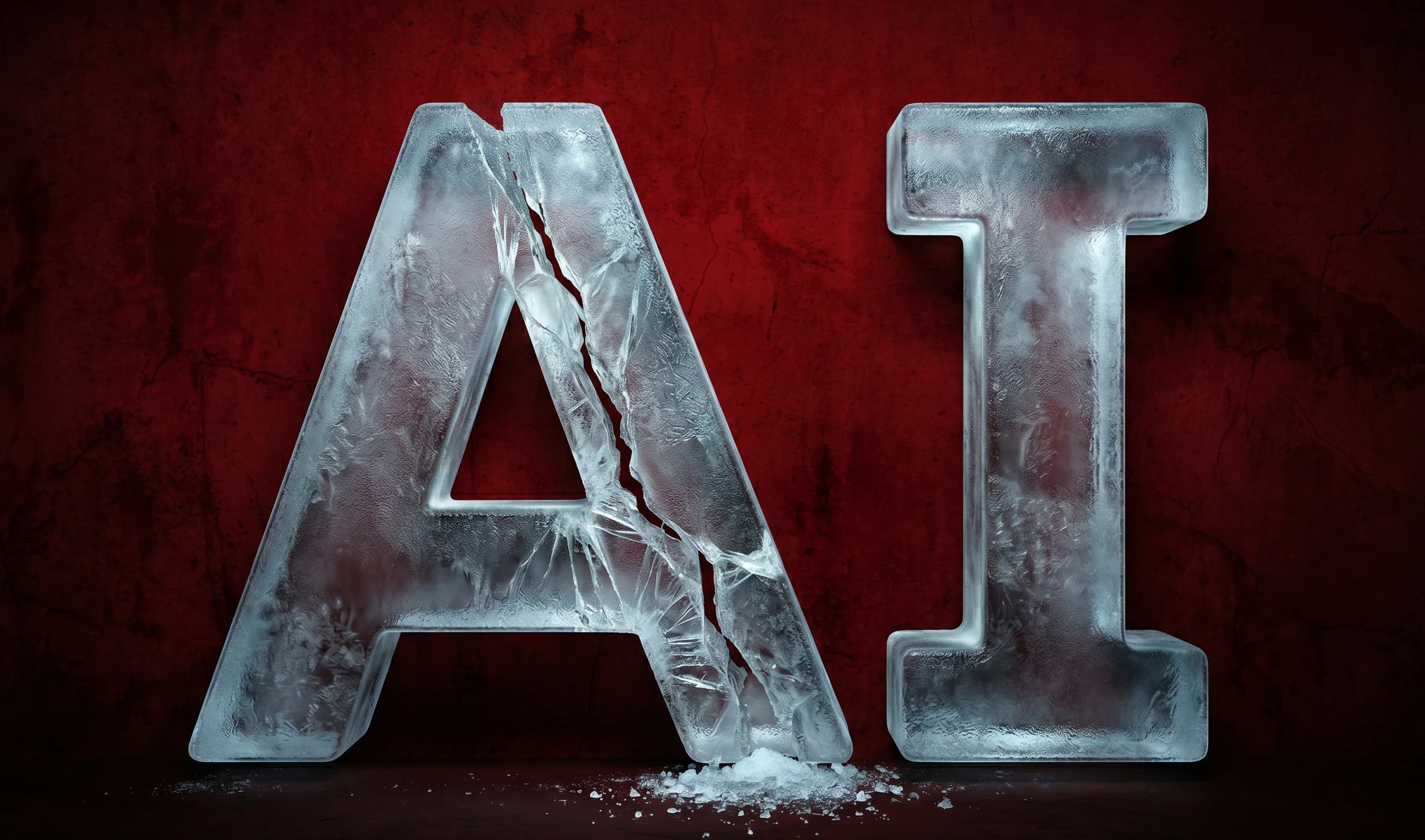
AI has a serious PR problem. In many cases, the technology isn’t fully ready, but the deeper issue is the pace at which it’s being deployed–faster than institutions, workers, regulators, and society itself can adapt.
People are turning on AI
This started out as a blog post about what’s holding AI back in enterprise. While I still intend to write that piece, I’ve noticed something else in my private life as a netizen: People are starting to really hate AI.
To put it more diplomatically, public sentiment around AI is becoming increasingly negative. The backlash is fueled by job replacement fears, environmental concerns, and the rapid spread of “AI slop” across digital platforms. There’s also a deeper unease taking shape – a sense that we’re losing something fundamentally human – alongside growing doubt in what we see and consume.
High-profile leaders in AI aren’t helping matters. Between government contracts, media appearances, and relentless hype cycles, many come across as detached from the social and environmental consequences of the technology they’re building. Tech companies continue pushing AI into products through automatic UI changes and half-baked features, while executives rush to deploy it in pursuit of efficiency gains and shareholder approval.
The push to deploy at all costs
The powers that be seem hell-bent on deploying one of the most disruptive technologies since steam power or the Web, and they’re prioritizing speed, scale and competitive advantage over all else. It feels gross, forced, and a little out of control. Are AI proponents getting ahead of themselves?
Artificial intelligence is unusual in that it’s advancing at the same time it’s being actively deployed and, as a result, adoption is outpacing understanding, governance, and institutional change. That leaves plenty of room for hallucinations, bias, abuse, and security failures to appear in live environments. Messy technology rollouts followed by later regulation are nothing new, but this moment feels different. AI represents more than a technological shift. It’s a behemoth touching everything from education and labor to creativity, communication, and even our shared sense of reality.
People don’t hate AI. They hate the rollout.
There’s an important distinction to be made here: People don’t necessarily hate AI; they hate the way it’s being rolled out. Much of the resentment is less about the technology itself than a growing loss of trust in the institutions deploying it. People are reacting to the relentless speed, the lack of meaningful guardrails, and the sense that people’s livelihoods, privacy, etc. are being treated as some kind of beta test or acceptable collateral damage.
The hidden physical cost of AI
AI and the future of work
Beyond its use in warfare and (sometimes exploitative) content generation, artificial intelligence is also being used – both legitimately and opportunistically – to justify layoffs, cost-cutting measures, and reductions in benefits during a period of record corporate profits. Workers are being asked, at best, to adapt alongside AI without a clear roadmap and, at worst, to help train the very systems that will replace them.
At the same time, AI is reshaping (shrinking?) the entry-level job market, threatening parts of the creative economy, and raising serious questions about long-term workforce stability. What happens to workers displaced by AI? How are they expected to participate in an economy built on consumption?
AI may very well create new jobs, but that’s cold comfort to those being laid off today. I think about my niece and nephews and wonder whether they will go to college and what fields will still be viable. While companies focus on short-term gains from AI, institutions like education, labor systems, and the law struggle to keep pace, arguably still catching up to the social media era.
AI does have value
None of this is to say that AI lacks value. I’m a writer, and I even find it useful during periods of writer’s block. People appreciate tools that save time, enhance their capabilities, and solve real problems.
The reality, though, is that AI – in addition to exposing systems that prioritize speed over quality, cost-cutting over people, and novelty over value – is being rushed into workplaces and products before it’s proven itself genuinely useful, let alone sustainable.
Instead of long R&D cycles, companies are effectively learning in real time on the public stage. Workforce transition strategies remain vague or nonexistent, governance is playing catch-up, and policymakers continue to lag behind. Unsurprisingly, many companies are having to backtrack following expensive mistakes, public backlash, and mounting (if slow-moving) legal challenges.
The productivity narrative is cracking
Moreover, the productivity narrative around artificial intelligence is beginning to crack. Productivity gains remain uneven and difficult to measure, with new research finding that AI may actually increase work intensity.
Researchers are also beginning to examine the cognitive costs of AI, or what happens when people begin outsourcing thinking itself. Early signs point to declining cognitive engagement and negative effects on mental health among heavy users. Futurists enthuse about AI’s potential to offload low-level cognitive tasks and free people to focus on higher-level work, but that outcome would require a more human-centered approach than many companies are taking today.
Even when AI demonstrably improves productivity, the benefits rarely flow back to workers—another source of resentment. Executives talk about efficiency, but employees aren’t seeing reduced hours, higher pay, or better working conditions. Instead, many are being asked to adopt and train AI systems without a meaningful safety net or shared upside. AI may have great potential, but corporations are also using it as a convenient justification for reducing headcount and devaluing human labor.
Slow down and do it right
It all begs the question, shouldn’t we be preparing more deliberately?
Of course, it’s unrealistic to press pause. Artificial intelligence is already too advanced, too competitive and too global, but the current trajectory isn’t humane, sustainable, or inevitable. AI has enormous potential, but whether it ultimately benefits society depends on how it’s built, how it’s deployed, and who it’s designed to serve. Right now, people are asking for something pretty simple: Slow down, think it through, and do it responsibly.
The real question isn’t whether AI will change the world. It’s whether the systems around it – economic, political, corporate, etc. – can evolve thoughtfully enough to ensure that potential is shared broadly rather than exploited by a few.