
By Technology
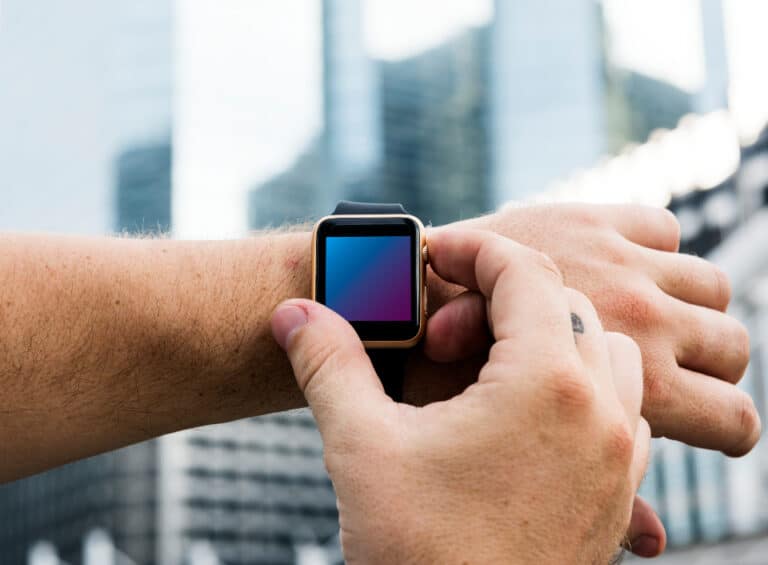
Body-worn Enterprise Wearables: Where’s the Love?
Smart glasses, VR headsets and even smart (AR) helmets have been stealing the spotlight when it comes to enterprise wearables, which begs the question: Why haven’t devices worn below the neck taken off in the workplace? Perhaps smart glasses for enterprise took off faster precisely because the consumer market did not, because there wasn’t a strong enough consumer demand for – or real consumer interest in – smart eyewear (remember the Glass backlash.) Enterprises, however, expressed a lot of interest – chiefly doctors and field service companies – encouraging the solution providers to re-direct their efforts a la Google. But there is a consumer wearables market, mainly for wrist devices; and while this may be an uncertain market, hardware makers seem to be focusing their efforts where they believe lies the greater or more immediate demand. Of course, this is just one theory based upon one person’s observation. Additional theories are welcome, for this is truly puzzling to an enterprise wearable tech advocate such as myself. Why are wrist wearables manufacturers overlooking the enterprise? Is there hope for wrist- and body-worn wearables beyond corporate wellness? Smart bands, watches, clothing, badges and other accessories–how can real workers use these devices? Are […]
4 min read
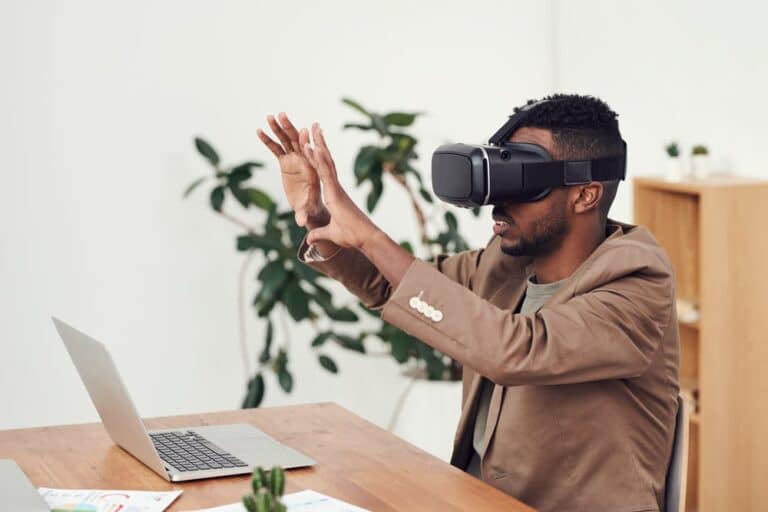
Defining New Realities: AR/VR/MR
As a larger community, enterprise wearable tech users, solution providers, experts and enthusiasts need to get on the same page in 2017. For one, they need to see “eye to eye” when it comes to distinguishing between Augmented Reality, Virtual Reality and Mixed Reality, for there are too many conflicting definitions out there. We cannot communicate and problem solve across industries without common understanding or a common framework. Differing classifications for AR, VR and MR make clear communication between solution providers and end users problematic. Solution providers seem to have their own unique ways of not only describing the different realities but also of categorizing their own solutions; while end users often don’t fully understand the current capabilities and limitations of these technologies, or appreciate which “reality” would best serve their business needs. Sibling technologies? Kissing cousins? Competing realities? And is MR truly a combination of both AR and VR? It seems most people get the concept of Virtual Reality; it’s the differences between Augmented Reality and Mixed Reality that are less clear. End users and experts don’t seem to be on the same page, with everyone describing these new realities differently and some even throwing the term “Assisted Reality” […]
6 min read
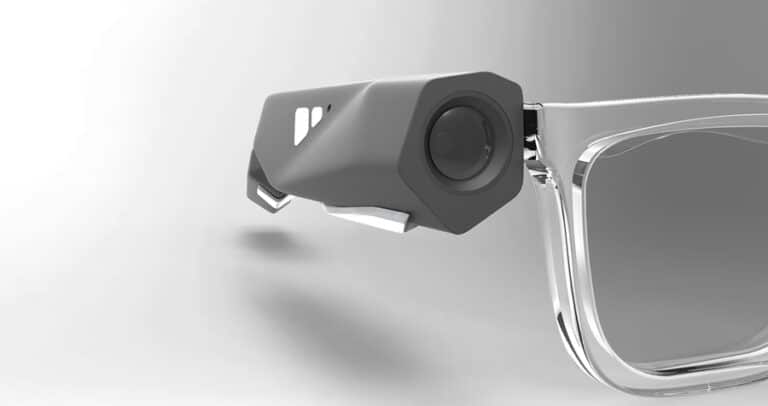
Vyoocam, A Unique Kind of Wearable Camera
Choosing the right hands-free POV camera for your business use case: The opportunity for wearable cameras in the enterprise There is tremendous opportunity for wearable cameras of all types in the enterprise. Many organizations today use smartphones and tablets to capture photos and video on the job—for documentation, to show a colleague, etc. But when you need to record or transmit video from the field a hand-held phone is not the best tool, not when workers need their hands free and both eyes on the task at hand. Surely many work processes that already incorporate cameras could greatly improve with the introduction of hands-free data capture. Not all wearable cameras, however, are created equal.So how do we begin to sort through all the different camera-equipped wearables on the market? The better-known enterprise smart glasses (Google Glass, Vuzix, etc.) boast many features, one of which is a camera. But what if your organization simply wants to get employees out to a job, recording and streaming video heads-up and hands-free, as quickly as possible? Which device do you choose?Today’s smart glasses are typically not out-of-the-box solutions—they have complex user interfaces, run full graphics, and are packed with sensors that use up power […]
6 min read

Fitbit Manages to Show Corporate Wellness Effectiveness but Solution Still Lacking
Written by Special Guest Blogger Reginald Parris, Wearables Analyst, Lux Research Fitbit released a set of data to combat skepticism surrounding how wearable activity trackers actually improve health. The Fitabase Research Library lists more than 170 studies that have used Fitbit devices in one place. The company also sponsored a study by Springbuk that examined the return on investment of workplace wearables and found that the average reduced health care costs of employees was about $1,300 per person. The study followed 2,689 individuals over two years, including a control group and 866 employees who opted in and received partially subsidized Fitbits. Of those who opted in, 266 used their Fitbit for at least half of the program, and these users’ health care costs decreased by 46%. Amy McDonough, Vice President of Fitbit Group Health, said that the studies were “looking at everyone from ‘low-steppers’ – around 6,600 steps per day – to those stepping beyond the recommended 10,000 steps per day, and they are all getting a decreased health care cost.”Although Fitbit’s corporate wellness study appears to demonstrate a promising role for wearables in lowering employee health care costs, there are three reasons why the company’s reported figures from its […]
4 min read
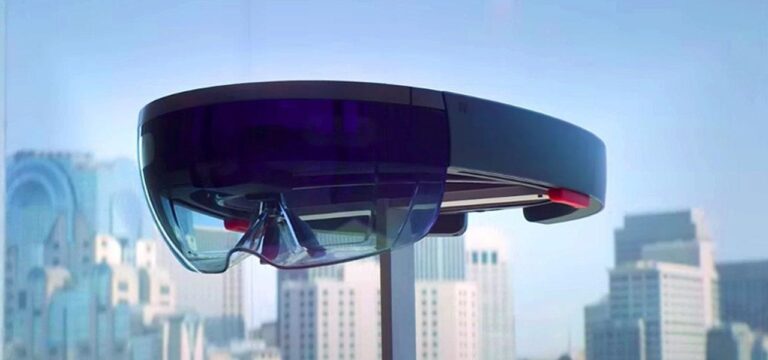
3 Cool Use Cases of HoloLens in Enterprise
New realities – Augmented, Virtual and Mixed – open up tremendous opportunities for visualization, communication and training in the enterprise. Applications for these technologies may not be as exciting as in Gaming and Entertainment, but they are changing the way we work and will ultimately revolutionize a number of industries. Recognizing this, Microsoft has been marketing its HoloLens Mixed Reality headset to the enterprise sector. It’s not just that the price point puts the technology out of reach for consumers, or that HoloLens could potentially endow companies with capabilities solving many of the limitations of current technologies—HoloLens is paving the way for the future of work, even allowing industries to take a major leap into that future. Read on for some of the latest and most exciting use cases of HoloLens in enterprise: CDM Smith This Boston-based construction firm specializing in large-scale infrastructure jobs believes Augmented Reality will help improve project collaboration and prevent costly mistakes. To that end, CDM Smith has been working with Object Theory, whose software solution attempts to “enable better conversations” by making sure everyone involved in a building project is on the same page, looking at the same thing. With its ability to overlay holograms […]
5 min read

Smart Glasses? It’s All About Perspective
Written by Special Guest Blogger Peter Verstraeten, CEO, Proceedix Originally published as a white paper – See more papers and other resources by visiting the Resource Center of Proceedix’s website Smart glasses can be defined as a wearable computer adding information to what the wearer sees. Since Google’s Glass unlocked the market of smart eyewear in 2013, many commercial alternatives were launched or announced. In this emerging industry the title “smart” seems to cover a broad variety of innovative concepts and technologies. In analogy to the traditional eyewear market, we propose to segment this new category from the wearer’s perspective. This approach leaves us with 5 classes of smart eyewear. The debate about the future, the strengths, weaknesses, opportunities, and threats of this emerging eyewear market will differ for each of these 5 segments. Google Glass was the Eye-Opener Wikipedia defines smart glasses as a wearable computer that adds information to what the wearer sees. While there were various attempts to realize such devices over the past decades, Google definitely has the prerogative of raising the awareness of the general public for this technology. Its Google Glass finally unlocked the market of smart eyewear in 2013. Since then over a […]
5 min read

Enterprise Wearables: Human Design and Ergonomic Considerations
The latest high-profile wearable devices – including the Microsoft HoloLens and the DAQRI Smart Helmet; new smart glasses like the Vuzix M300, Epson Moverio BT-300, and the Meta 2; the arrival of VR in the form of back-to-back Oculus Rift and HTC Vive releases; and even mentions of digital tattoos and smart contact lenses – seem to signal a next phase in the advancement of wearable technology, especially the next generation of heads-up or head-mounted displays for enterprise use. As new wearable tech hits the market, we wonder what makes a wearable device enterprise-worthy? What do we require from enterprise-grade wearables? We’ve come up with a list of criteria for designing and evaluating wearable hardware from an ergonomics and human-centered (or worker-centric) design perspective: Wearable technology has dramatically redefined the relationship between user and computer, bringing us closer than ever to our technology. Seriously, these devices are no longer in our hands; they’re on our bodies and around our heads (!), and with that comes a host of issues from display to power and processing. Wearables also pose new ergonomic challenges. Take physical comfort, for instance: Undoubtedly, comfort is a consideration in smartphone and tablet design but its import is […]
8 min read
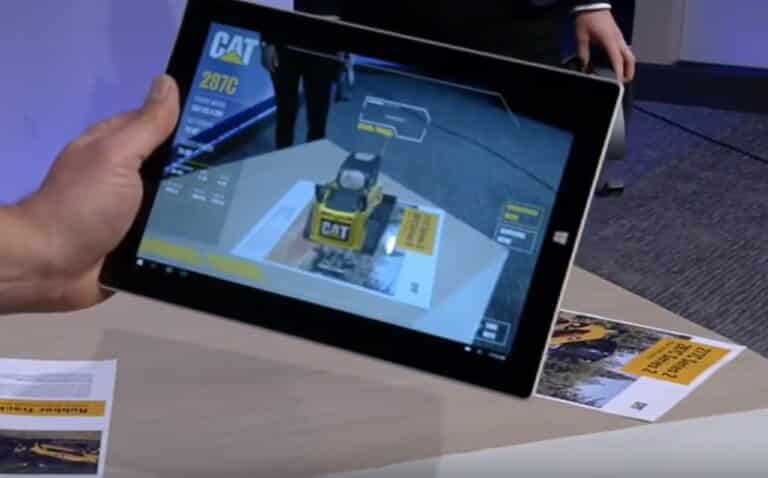
HoloLens Augmented Reality Experience featuring the Cat® 287C MTL
1 min read

SmartEyeglass: Top Three Types of Industries That May Benefit
Written by Special Guest Blogger Joakim Elvander, Senior Partner Engineer and Developer Advocate, Sony Mobile CommunicationsWe have a gap. It’s actually quite a huge gap. The gap I’m speaking of is between traditional industries dealing in machinery, maintenance and so on, and the new technology and software that may help them. Many of them don’t have their own software development departments. This means that they have to hire consultants whenever there’s integration work to be done. With the digitalization of the industry this becomes a real problem if they cannot buy off-the-shelf solutions that immediately fit their business. At Sony, we have chosen to work mostly with partners on developing solutions for SmartEyeglass for the industry, but we have also made sure to understand the needs ourselves so that we may help out and guide companies wanting to use or re-sell smart glasses. The common traits we have found for the industries we are talking with, are that they are in most cases interested in Augmented Reality, and not Mixed Reality or Virtual Reality. The workers and personnel intended for the glasses need to have both hands free most of the time. They also need to see what they are […]
7 min read
Microsoft’s Hololens poised to live up to the hype, bringing into competition with the likes of Sony, not Google
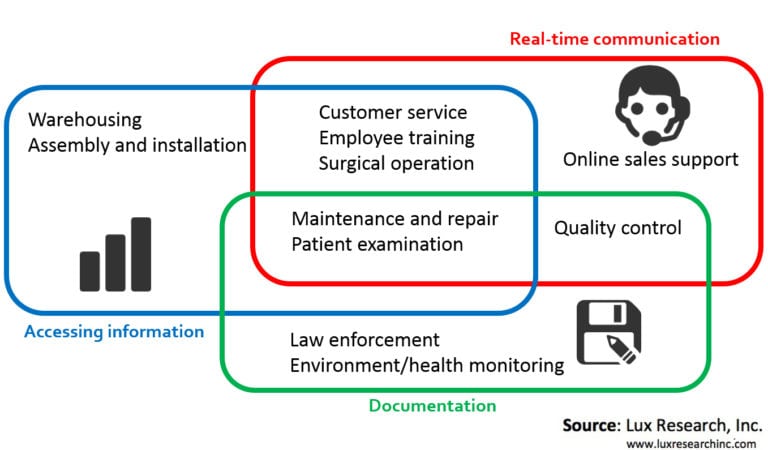
Written by Special Guest Blogger Jonathan Melnick, Senior Analyst, Lux Research Amongst much fanfare and hype, Microsoft has begun shipping $3,000 development kits for its augmented reality smart glasses “Hololens.” The 579g Hololens comes with 2 GB of RAM and 64 GB of storage space and users can expect 2 to 3 hours of battery life although details on the battery specs are currently unavailable. Perhaps the most exciting pieces of the Hololens are the display, which are waveguide-enabled 3D stereoscopic displays with a field of view of approximately 35 degrees, and device inputs, which include four microphones, four cameras, and speech, head movement, and gesture controls. Hololens’ capabilities make it one of the top smart glasses on the market or in development today. The primary market for smart glasses has shifted from consumer, when Google originally launched the Google Glass, to industrial today. While there have been a lot of industrial pilot programs, there are only three major functions that smart glasses perform – accessing information, real-time communication, and documentation (for more information see the report “Better than Google Glass: Finding the Right Smart Glasses for Enterprise“). All 11 industrial applications make use of one, two, or all three […]
2 min read

A Detailed Breakdown of the IoT Platform Space
Written by Special Guest Blogger Isaac Brown, Lux Research Today, most people are already familiar with enterprise adoption of wearable devices like Google Glass and the Apple Watch. However, while enterprise wearables are one of the interfaces between workers and the Internet of Things (IoT), many still lack a deep understanding of how the IoT platforms behind them work, let alone the crowded IoT platform space and the new startups looking to enter enterprise wearables. While slicing things up into discrete categories is always imperfect (is a platypus really a mammal?), it is useful to break the IoT platform space down into four categories. Many of the platforms offer functionalities across the various categories, but the following categorization is valuable for understanding this confusing space. Device Management Platforms These companies offer IoT platforms that provide deep functionality and control over the processing and communications hardware in IoT devices — they either sell embedded boards themselves, or have established partnerships with major semiconductor manufacturers who ship boards with their software stack on them. The major features include device provisioning, over the air firmware updates, remote control capabilities, and deeper visibility into the activity of the IoT devices. For example, Eurotech’s IoT […]
4 min read

AREA Webinar: Forecasting Enterprise AR Growth
1 min read
Augmented Enterprise Newsletter
Get bi-monthly insights on AI, XR, digital twins, and related emerging enterprise technology delivered to your inbox.